Technical report on good environmental practices
From an environmental point of view, The different agri-food activities are treated as a single environmental management unit, trying to value and manage the different by-products generated by each of the activities.:
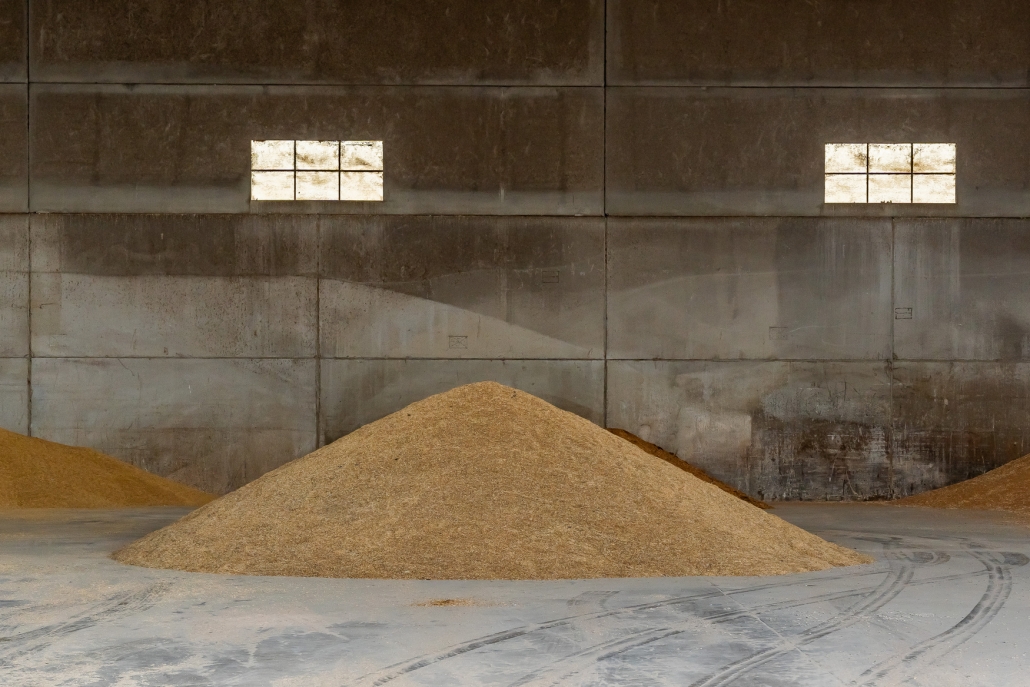
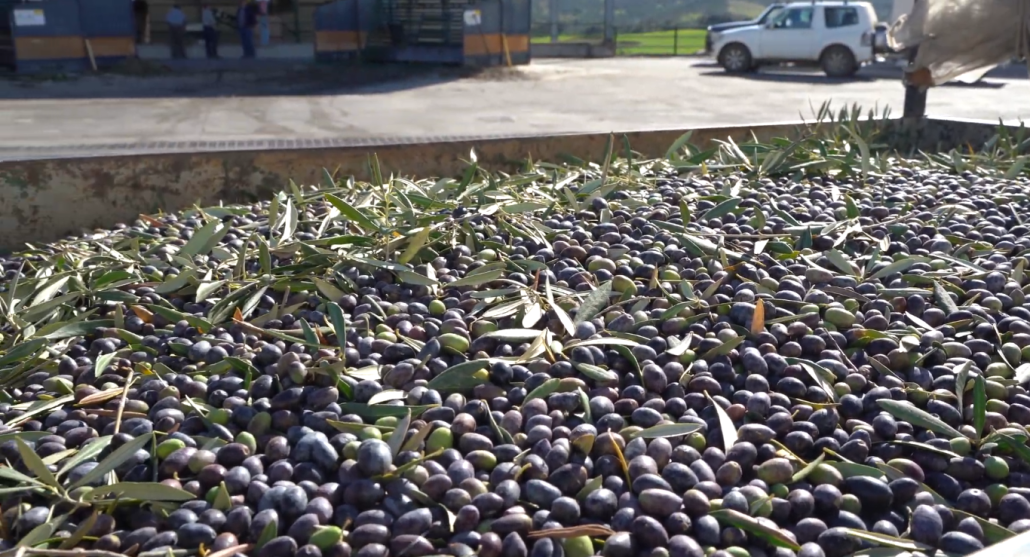
- Bone, olive leaves and pulp produced in the oil mill.
- Manure generated in calf and lamb feedlots.
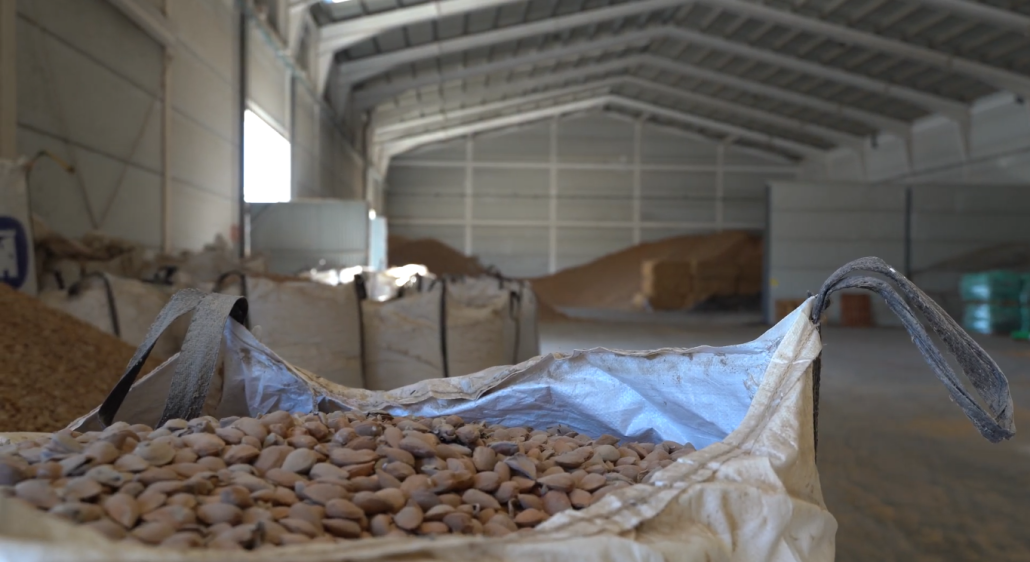
- The hood from the almond collection center.
In the composting plant they mix manure, dirty leaf and olive pulp to produce between 1.500 y 2.000 tons of compost with recycled water. All this is done in an esplanade of 8.400 m² composed of six ponds:
- Balsa 1: Water from the mill centrifuges.
- Balsa 2: Water from the oil mill washing machines.
- Balsa 3: Rainwater for irrigation.
- The voice 4, 5 y 6: They collect leachate from the plant.
The cooperative manufactures microsilos of 550 kg, composed of clean sheet (65%), olive pulp (30%) and minerals, an economical feed for ruminants with a shelf life of one year. Besides, directly sells the clean leaf and the almond shell to farmers.
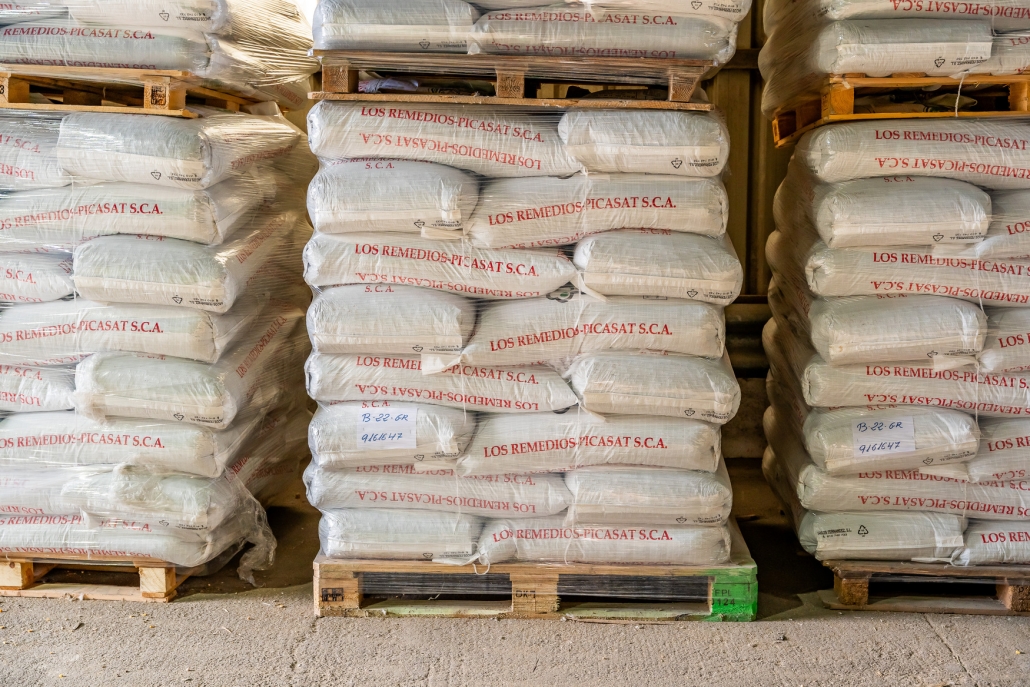
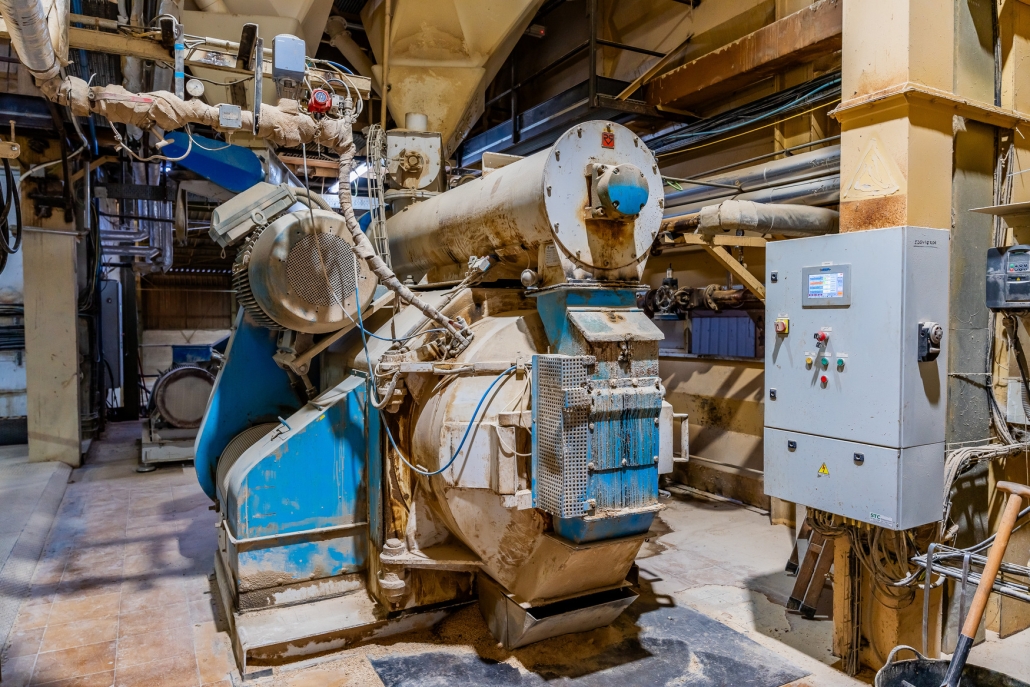
A part of the olive pit is intended for use in biomass industrial boilers located in Campillos, Olvera, Gredales and Jerez de la Frontera; The other part is marketed packaged in bags of 25 kg for members' domestic boilers.
Also manages the biomass of partners, avoiding pruning burning and allocating it to energy recovery.
Regarding energy efficiency, The Oil Mill was designed to take advantage of the slope of the terrain, facilitating the conveyance of water by gravity and thus reducing electrical consumption. Finally, The center has a photovoltaic plant 100 kW for self-consumption.